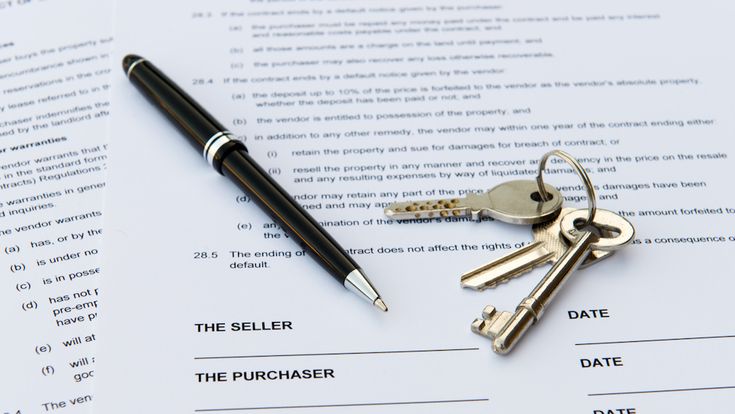
When it comes to consumer rights, one of the most potent tools at your disposal is the ability to cancel a purchase contract. This legal recourse allows you to terminate an agreement when certain conditions are met, safeguarding your interests and protecting you from unwanted obligations. But understanding when and how to cancel a purchase contract can be a challenge. In this comprehensive guide, we'll delve into the intricacies of canceling a purchase contract, empowering you with the knowledge you need to make informed decisions.
Before we dive into the specifics, it's essential to understand that laws governing purchase contract cancellations vary significantly depending on your location and the type of agreement. As such, while this guide provides general insights, it's crucial to consult local consumer protection laws or consult with a legal professional for advice tailored to your situation.
The Art of Cancellation: Understanding Your Rights
At the heart of canceling a purchase contract lies the principle of changing your mind or rescinding an agreement without incurring penalties. Consumer protection laws, particularly in jurisdictions like the U.S. and EU, grant you the right to cancel certain types of contracts within a specific timeframe. This "cooling-off period" allows you to reconsider your decision and terminate the agreement without facing repercussions.


To exercise your right to cancel, you must inform the other party (usually the seller or service provider) of your intention to rescind the contract. This can typically be done via email, registered mail, or any other method that provides a record of your communication. Once the other party receives your notice, the cancellation process is set in motion. However, ensure you understand the rules surrounding cancellation – some contracts, like those for perishable goods or custom-made items, may not be eligible for cancellation.
Canceling During the Cooling-off Period
The cooling-off period, a critical component of consumer protection laws, enables you to cancel a purchase contract within a specific timeframe after making a purchase or signing an agreement. This period varies depending on your location and the nature of the transaction. In the EU, for instance, consumers have up to 14 days to cancel remote and distance sales contracts, while the U.S. adheres to different timelines for various transactions.


During the cooling-off period, you can cancel the contract without providing a reason and receive a full refund, including any delivery charges. However, you'll need to bear the cost of returning the item or service, unless the seller has agreed to cover these expenses. In some cases, you may need to complete an official cancellation form provided by the seller, so ensure you follow their guidelines to avoid complications.
Canceling Beyond the Cooling-off Period
Once the cooling-off period has elapsed, canceling a purchase contract becomes more complex. However, you're not entirely out of luck. You may still be able to cancel the contract if you have a valid reason and can prove that the other party breached the agreement or failed to uphold their end of the bargain. Some common grounds for canceling a contract after the cooling-off period include:
- Mistake or misrepresentation: If the other party made a material mistake or misrepresented key aspects of the product or service, you may be able to cancel the contract.
- Non-delivery or late delivery: If the other party fails to deliver the goods or services on time or within a reasonable timeframe, you can terminate the agreement.
- Changed circumstances: In some cases, a significant change in your personal or financial circumstances may allow you to cancel the contract.
To cancel the contract after the cooling-off period, you'll need to provide evidence supporting your claim. It's essential to consult local consumer protection laws or seek legal advice to determine your eligibility for cancellation and the appropriate course of action.


The Nuts and Bolts: Contract Cancellation Process
Once you've established your right to cancel a purchase contract, it's crucial to follow the correct process to avoid potential disputes or complications. The cancellation process typically involves the following steps:
- Initiating the cancellation: Inform the other party of your intention to cancel the contract, clearly stating your decision and providing any necessary details. Keep a record of this communication.
- Returning the goods (if applicable): If you're canceling a contract involving a physical product, you'll need to return the item in its original packaging and condition. Follow the seller's guidelines for returning the product to ensure a smooth cancellation process.
- Providing proof of cancellation: Depending on your location and the nature of the transaction, you may need to provide proof that you've canceled the contract. This could include sending a cancellation notice via registered mail or keeping records of your communication with the other party.
- Receiving a refund: Assuming you're entitled to a refund, the other party should process it within a specified timeframe. In the EU, for example, refunds must be issued within 14 days of receiving the cancellation notice. If you don't receive your refund or have issues with the process, don't hesitate to contact your local consumer protection agency or consult a legal professional.
In certain cases, you may encounter pushback or resistance from the other party when attempting to cancel a purchase contract. If you face obstacles or negotiations become challenging, stay calm, be polite, and remain persistent. Remember that consumer protection laws are in place to safeguard your interests, and you have the right to exercise your legal rights. If necessary, consult legal advice or seek assistance from consumer protection agencies to help resolve the situation.
Armed with the knowledge and understanding of canceling a purchase contract, you're now empowered to make informed decisions and protect your interests as a consumer. Whether you're dealing with a refund, a breach of contract, or simply changing your mind, knowing your rights and how to exercise them will serve you well in your future transactions. By embracing a proactive approach to consumer protection, you'll navigate the complexities of contract cancellations with confidence and ease.