Thinking about whether you can cancel a real estate contract with your realtor? This is a common question among homebuyers and sellers, especially when the transaction doesn't go as planned. It's essential to understand your rights and the legal recourse available to you in such situations.
Before we delve into the specifics, it's crucial to note that real estate contracts, much like other legal agreements, are typically binding. This means that both parties—the buyer and the seller—are legally obligated to fulfill their promises. However, there are provisions and scenarios where you might be able to exit the contract, usually at a cost.
Understanding Your Real Estate Contract
A real estate contract outlines the terms and conditions of a transaction, including the purchase price, closing date, contingencies, and remedies in case of a breach. Familiarizing yourself with these terms can help you understand your options if you decide to cancel the contract.


Some contracts may include clauses that allow for cancellation under specific circumstances. These could be related to financing, home inspection, or changes in the property's condition before closing. If such a clause applies to your situation, you might be able to cancel the contract without facing legal consequences.
Financing Contingency
A financing contingency clause allows buyers to cancel the contract if they're unable to secure the necessary funding. This is common in home purchase agreements, as buyers often need a mortgage to complete the transaction. If you can't obtain the required loan or the lender pulls out, you might be able to cancel the contract and get your earnest money back.


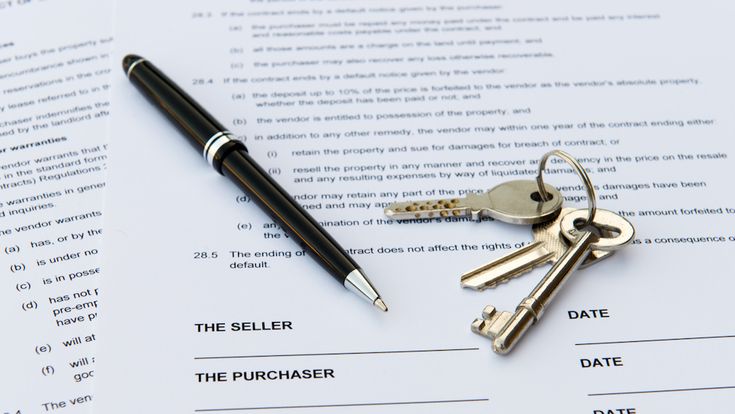
However, if you change your mind about the purchase for financial reasons unrelated to the mortgage, such as a job loss, you likely won't be able to cancel the contract. In such cases, you might be held responsible for damages, including the loss of earnest money or even legal action from the seller.
Home Inspection Contingency
Home inspection contingencies protect buyers by allowing them to cancel the contract if the home inspection reveals significant issues that the seller refuses to address. If you choose to cancel the contract under this contingency, you should be entitled to a refund of your earnest money.
It's important to note that the reason for cancellation must be directly related to the home's condition as discovered in the inspection. If you change your mind about the purchase due to personal reasons, you'll likely face the same consequences as in the case of financing contingency.


Breaching the Contract
If your real estate contract doesn't have a suitable cancellation clause or your reason for cancellation isn't covered by one, you might need to consider a breach of contract. However, this approach comes with risks and potential costs.
Before proceeding with a breach, weigh the potential costs against the benefits. In general, the breaching party must compensate the other for damages. These damages typically equal the difference between the contract price and the market value of the property at the time of the breach. Moreover, you could face legal action from the other party.
Buyer's Remorse
Buyer's remorse, or simply changing your mind about the purchase, isn't a valid reason for cancellation under most contracts. If you back out of the deal due to buyer's remorse, you might be held responsible for damages. However, some contracts, especially in hot markets, may include a "right to cancel" provision within a specific timeframe.


It's crucial to review your contract carefully and consult with your realtor or a real estate attorney to understand your options. Even if your contract doesn't explicitly allow cancellation, there might be other paths to resolve the situation, such as negotiation or mediation.
In a nutshell, it's possible to cancel a real estate contract with your realtor, but the process isn't always straightforward. Be sure to understand your contract's terms and consult with a professional before taking any action. By doing so, you'll protect your interests and make an informed decision regarding your property transaction.