Life expectancy is a crucial health indicator, reflecting a nation's overall well-being and socioeconomic progress. Sri Lanka, a beautiful island nation in South Asia, has experienced a significant rise in life expectancy over the years, thanks to advancements in healthcare, education, and socio-economic development.
Understanding the average life expectancy in Sri Lanka provides valuable insights into the country's health and progress. As of 2021, Sri Lanka's average life expectancy stands at approximately 77 years, according to data from the World Bank. This figure is a robust indicator of the country's continuous efforts to enhance its citizens' quality of life and well-being.
Factors Influencing Life Expectancy in Sri Lanka
The life expectancy in Sri Lanka is shaped by various factors, which can be categorized into health-related and socio-economic aspects. Understanding these factors provides a holistic view of Sri Lanka's life expectancy landscape.
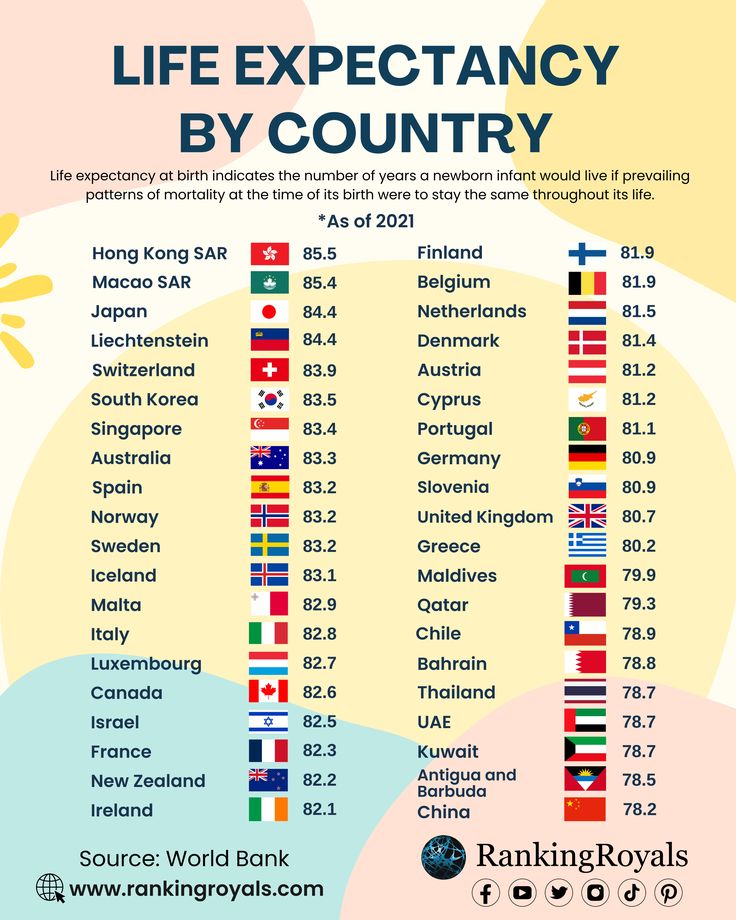


Health-related factors include access to healthcare services, disease control measures, and health awareness. These aspects have significantly improved in Sri Lanka over the years, leading to a considerable increase in life expectancy.
Healthcare Access and Infrastructure
Sri Lanka boasts an extensive network of healthcare facilities, including hospitals, clinics, and medical centers. This robust infrastructure ensures that a majority of the population has access to healthcare services. The government-funded healthcare system, combined with the private sector, has significantly contributed to improving health outcomes and increasing life expectancy.


For instance, the maternal mortality rate in Sri Lanka, a critical indicator of healthcare access and quality, stands at 28 deaths per 100,000 live births, according to UNICEF data. This figure has significantly improved from 84 deaths per 100,000 live births in 1990, showcasing the country's progress in healthcare access and quality.
Disease Control and Prevention
Sri Lanka has effectively tackled infectious diseases through public health interventions, disease surveillance, and vaccination programs. The country has eradicated deadly diseases like malaria and smallpox and has significantly reduced the prevalence of other infectious diseases such as polio and measles.
According to the World Health Organization, Sri Lanka has achieved significant progress in reducing child mortality rates. The under-five mortality rate has fallen from 25 deaths per 1,000 live births in 1990 to 10 deaths per 1,000 live births in 2019, reflecting the country's commitment to improving public health.


Regional Disparities in Life Expectancy
While Sri Lanka has made substantial progress in increasing life expectancy, regional disparities exist. Understanding these disparities provides valuable insights into the areas that require targeted interventions to improve health outcomes.
Research by the University of Colombo's Institute for Health Policy shows that life expectancy varies significantly among Sri Lanka's nine provinces. The Western Province, home to Sri Lanka's capital Colombo, has the highest life expectancy at 79.8 years, while the Northern Province has the lowest at 73.4 years.
Socio-economic Factors and Life Expectancy
The regional disparities in life expectancy are largely influenced by socio-economic factors such as income, education, and literacy levels. The Western Province's higher income and literacy rates contribute to its longer life expectancy, while the Northern Province's relatively lower socio-economic development contributes to its lower life expectancy.


Targeted interventions, such as improving healthcare access and quality in underserved regions, can help bridge these life expectancy gaps and ensure that all Sri Lankans enjoy a longer and healthier life.
Gender Disparities in Life Expectancy
Life expectancy in Sri Lanka also varies by gender, with females generally outliving males. According to the World Bank data, Sri Lankan women have an average life expectancy of 80.9 years, compared to 73.2 years for men. This gender disparity is common worldwide, with women generally having longer life expectancies than men.
The gender gap in life expectancy reflects the unique health challenges faced by men and women. For instance, men are more likely to smoke and engage in risky behaviors, contributing to higher mortality rates. Meanwhile, women face specific health challenges related to reproduction and have a higher burden of chronic diseases like diabetes and cardiovascular disease.
Sri Lanka's average life expectancy has significantly improved over the years, reflecting the country's progress in health, education, and socio-economic development. However, addressing regional and gender disparities in life expectancy remains a critical priority for enhancing health outcomes and improving the well-being of all Sri Lankans. By targeted interventions and a continued commitment to improving public health, Sri Lanka can further enhance its citizens' quality of life and well-being.