Contemporary style, a versatile and dynamic category, encapsulates the current design trends and aesthetics prevalent in our modern world. It is an umbrella term that encompasses various styles, each with its unique features and influences. Let's delve into the diverse types of contemporary style, understanding their characteristics, origins, and applications in interior design and architecture.
Contemporary style, rooted in the late 20th century, is characterized by simplicity, minimalism, and a blend of modern and post-modern design elements. It is an evolving style that continually incorporates new materials, innovative technologies, and cultural influences. As such, contemporary design is not rigidly defined but is rather a fluid and evolving concept. Now, let's explore the two main types of contemporary style, each with its distinct subtopics.
Minimalist Contemporary Style
The minimalist approach to contemporary design advocates for simplicity, functionality, and the use of clean lines and shapes. It emerged in the 1960s as a reaction to the excesses of the previous decades, drawing inspiration from Asia, particularly Japanese design principles.


Form Follows Function
The minimalist mantra of "form follows function" guides all design decisions. Every element in a minimalist space serves a purpose and contributes to the overall functionality of the room. Free-standing furniture, open floor plans, and multifunctional spaces are hallmarks of this approach.
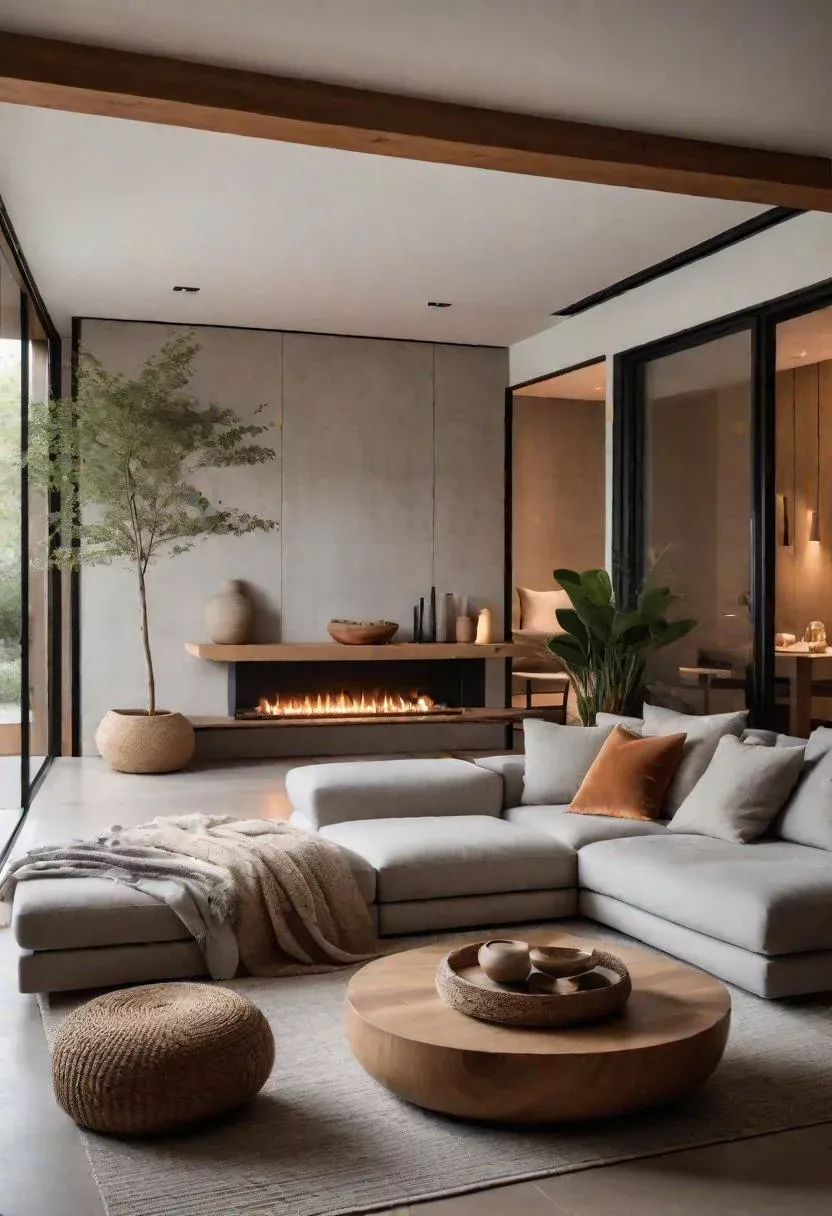
Minimalist homes often feature clean lines, a neutral color palette, and the extensive use of natural materials like wood, metal, and glass. The lack of clutter, adornment, and obvious ornamentation contributes to a peaceful and serene atmosphere. However, this doesn't mean minimalist spaces lack character. They often incorporate unique, high-quality pieces and artistic elements to create statement pieces.


White and Neutral Color Schemes
Minimalist contemporary style heavily relies on white and neutral colors to create a sense of spaciousness and airiness. However, this doesn't equate to a monotonous or boring color palette. Neutral colors serve as a blank canvas that allows other elements, like textures and shapes, to stand out. Moreover, white and neutral shades reflect light, further enhancing the feeling of spaciousness.
That said, minimalist contemporary design isn't all about white walls and bare floors. Shades of gray, black, and even bold accents can be used to create depth, contrast, and visual interest. The key is to use color judiciously, ensuring that the overall effect is harmonious and uncluttered.
Eclectic Contemporary Style
At the other end of the contemporary style spectrum lies the eclectic approach, which embraces a mix of styles, periods, and cultural influences. Eclectic contemporary design rejects the notion of "matchy-matchy" interiors, instead celebrating imperfection, individuality, and personal expression.


The eclectic contemporary look can incorporate diverse design elements, such as vintage finds, handmade artisan pieces, and repurposed items. It thrives on juxtaposition, blending unexpected colors, textures, and styles in an intriguing, harmonious way. The result is a dynamic, bohemian, and deeply personalized space.
Mixing and Matching Patterns and Textures
Where minimalism favors clean lines and solid colors, eclectic contemporary design revels in mixing and matching patterns and textures. Bold wallpapers, vibrant rugs, and tasselled cushions are all fair game. The key is to create a balance between the various elements, using the 60-30-10 rule as a guide. This rule suggests using three colors in a room - 60% of a dominant color, 30% of a secondary color, and 10% of an accent color.
Eclectic interiors often feature a mix of fabrics, such as velvet, linen, and silk, creating a tactile, tactile, and visually rich space. Similarly, different metals, like brass, copper, and chrome, can coexist, each adding its unique warmth and shine.


Layering Furniture and Accessories
Eclectic contemporary style emphasizes layering and dynamic, conversation-worthy pieces. A room might feature a grand, vintage sofa paired with a sleek, modern coffee table, or a gallery wall of mismatched art and cândlesticks. The secret lies in creating a cohesive narrative that ties the disparate elements together.
This could be achieved through a shared color palette, a common theme, or through the repetition of shapes or patterns. The aim is to create a sense of harmony and unity amidst the variety, rather than a hodgepodge of unrelated items.
In the dynamic world of contemporary style, minimalist and eclectic trends coexist and evolve, Each offering unique opportunities for self-expression and personalization. Whether you opt for clean lines and neutral hues or bold patterns and eclectic mixes, contemporary style offers a rich palette for creating living spaces that are both timeless and of-the-moment. So, go ahead, explore the diverse world of contemporary design, and let your imagination guide you. After all, your home should be a reflection of your unique personality and life journey.