Setting up a toolbox might seem like a simple task, but it's crucial to organize your tools in a way that saves you time and effort when you need to use them. After all, a cluttered toolbox can lead to lost or damaged tools and wasted time searching for the right piece of equipment. Here, we explore some creative and efficient toolbox set up ideas to ensure your tools are always within reach and well-preserved.
Before diving into specific setups, consider the type of work you'll be doing. If you're into woodworking, you'll need different tools than someone into electrical work. Also, think about where you'll be using your tools - a garage, workshop, or taking them on-site. Let's now look at some toolbox setup ideas tailored to various needs.
Modular Toolbox Setup
The modular toolbox setup is perfect for those who need to carry their tools around or have a limited workspace. It allows each tool to have its own compartment, reducing the risk of damage and making it easy to find what you need.

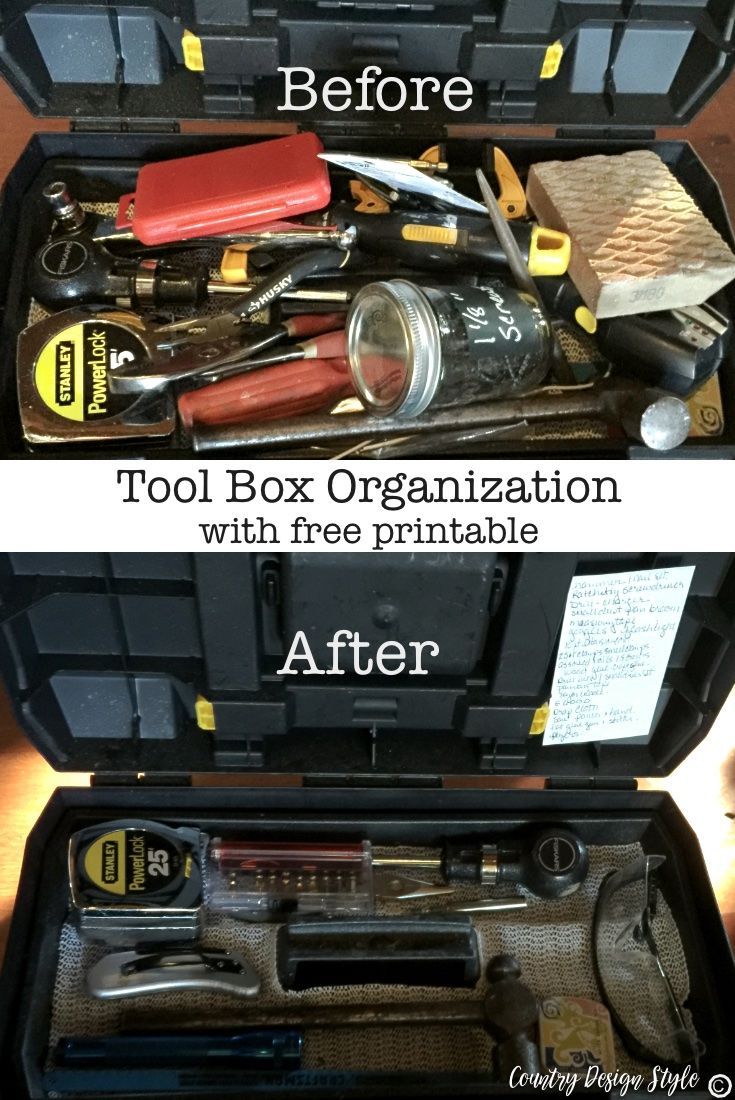

Use individual tool pouches or small storage containers to separate tools. Fasten these onto apegboard or inside a toolbox drawer using velcro or cable ties. This way, your tools stay organized even when you're on the move. Labelling each compartment will further enhance this setup.
Tool Pouches
For small tools like screwdrivers, pliers, and wrenches, use tool pouches. Divide each pouch into smaller sections to keep tools organized. Consider using pouches with clear windows so you can see the contents without opening them.


Another benefit of tool pouches is that they can be easily hung up or clipped inside your toolbox, making them highly adaptable to different situations.
Storage Containers
For larger tools or collections of similar tools, storage containers are a great option. Use clear containers so you can see what's inside, and label them for quick identification.
Stackable containers are particularly useful as they make the most of vertical space. Place heavier tools at the bottom and lighter ones on top for easy access.


DIY Tool Organizer Shelf
A DIY tool organizer shelf is ideal for those with a dedicated workspace who want to keep their tools easily accessible but out of the way. It's perfect for larger tools like saws, drills, and sanders.
Construct a shelf using plywood or a thick material like MDF. Divide it into multiple levels using slats or smaller shelves. Each level can house a different type of tool, keeping related items together and easily visible.
Adjustable Bins
أشكال adjustable bins allow you to customize the compartments to fit your tools exactly. This keeps your tools from rattling around and potentially getting damaged. Plus, you can adjust the bin sizes as your tool collection grows or changes.


Use casters to make your shelf mobile, allowing you to roll it in and out of your workspace as needed. Don't forget to label each compartment for a polished look and easier organization.
Tool Slots
For larger tools with handles or grips, consider cutting out slots in your shelf to store them upright. This saves space and keeps your tools within easy reach. Ensure the slots are deep enough to hold the tool securely but not so deep that it's a struggle to remove them.
Combine this with smaller bins or boxes for smaller tools, and you have a comprehensive tool storage system that keeps everything ordered and accessible.
Wall-Mounted Tool Organizer
A wall-mounted tool organizer is great for those with limited floor space but plenty of wall space. It keeps your tools off the floor and within arm's reach, making your workspace safer and more efficient.
You can purchase pre-made organizers, or for a more tailored solution, build your own using pegboard, slat wall systems, or open shelving. Whichever route you choose, ensure it can bear the weight of your tools.
Pegboard for Small Tools
Pegboard is perfect for organizing small tools. Hang hooks and pegs to hold each tool, keeping them orderly and easy to find. You can even pegboard together to create a larger surface area if needed.
Don't forget to label your pegs or use different colored hooks to group similar tools together. This will save you time when you need to find a specific tool and ensure everything goes back in the right place.
Slat Wall for Larger Tools
For larger tools, a slat wall system with adjustable shelves or hooks can be a great choice. Each slat provides a surface for hanging tools or placing smaller storage containers. With its adjustable nature, you can adapt the storage solutions to match your needs.
To take your organization to the next level, consider using shadow boxes to store smaller tools. They slip easily onto the hooks and can be labelled for quick identification.
Have a Plan B (Portability)
Even the most organized toolbox can become chaotic if you need to take your tools to different work sites. To save you from rushing around looking for lost tools, consider having a portable tool storage solution.
This could be a small toolbox with essential tools, or a pouch that can be easily grabbed when leaving the workshop. Keep this portable solution topped up so you're ready to go at a moment's notice.
Remember, the key to a well-organized toolbox is to have a system that works for you and your tools. It might take some tweaking and adjusting, but once you've got it right, you'll wonder how you ever coped without it. So, start today and transform your tool storage from a chaotic mess to a well-oiled machine. Happy organizing!