The intimate charm of small theaters has long captivated audiences and performers alike, offering an experience vastly different from large venue spectacles. But what exactly are 'small theater dimensions', and why are they so compelling?
Let's delve into the world of small theaters, exploring their unique dimensions, the experiences they offer, and the benefits they provide to both performers and audience members.
Understanding Small Theater Dimensions
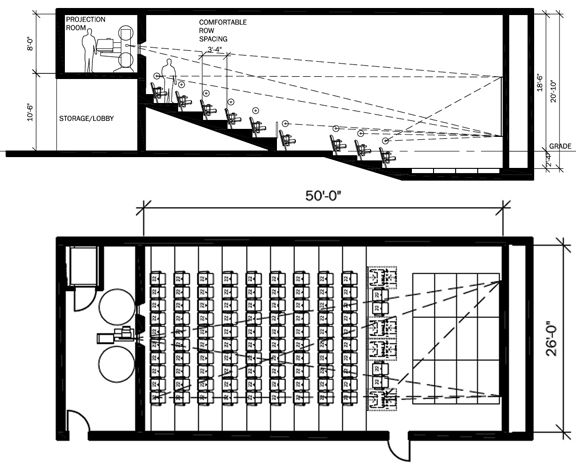
Small theaters are often defined by their seating capacity, rather than specific dimensions. Typically, anything under 200 seats qualifies as a small theater. However, this can vary, and some may even seat as few as 50.


The dimensions of small theaters often present a challenge in terms of balance - enough space for performers and technical equipment, while still providing full visibility and sound quality to each seat. This tight space constraint, however, is part of what makes small theaters unique.
Intimacy and Proximity
The proximity of the stage to the audience is a defining feature of small theaters. The term 'front row seats' takes on a new meaning, with the audience often feeling like they're part of the performance itself.


Actors can pick up on the energy of the audience and respond in real-time, fostering a dynamic and interactive experience. For actors, it can be a powerful connection, while for audiences, it's a thrilling and engaging night out.
Closeness and Connection
The close quarters of small theaters also amplify staging choices. Every movement, every expression, every word speaks volumes, making these spaces ideal for nuanced, character-driven pieces.
There's a sense of involvement, of being part of a shared secret. From the hush of a whisper to the thunder of a dramatic moment, every effect is magnified, creating a deep connection between performers and spectators.


Experiencing Small Theaters
Visiting a small theater is stepping into a world of concentrated creativity. Here, 'less is more' - minimal sets and minimal distractions allow the focus to remain solely on the performance.
With their generally cozy, warm ambiance, small theaters offer a welcoming atmosphere. The experience is more personal, more up-close. It's like watching a play in a friend's living room, but with strangers who share your passion for theater.
The Immersive Environment
Small theaters encourage an immersive experience. With no safety net of distance, you're drawn in, compelled to pay full attention. There's no hiding from a poor performance here - every actor is on full display.




Yet, this can also be the strength of a small theater. Mistakes, accidents, even glitches in the performance can become moments of truth, laying bare the human struggle that we all relate to. In this way, audience members can feel a raw, genuine emotional connection.
Theater in the Round
Some small theaters take the intimate experience a step further by employing an in-the-round or thrust stage design. Here, the audience surrounds the stage, with performers appearing and exiting from various points around the room.
This layout can create a heightened sense of involvement and immediacy. However, it can also pose practical challenges, such as restricted space for set design and technical support.
Despite these challenges, small theaters continue to thrive, offering a unique experience that's impossible to replicate in large venues. So, if you're looking for a personal, captivating, and engaging evening at the theater, consider visiting your local small theater. Who knows, you might just find your new favorite performance space.