A well-documented repair quote is an essential starting point for any repair or maintenance project. It helps set clear expectations, budget, and timeline, ensuring a smooth and productive process between you and your service provider. But what exactly does a repair quote example look like? Let's explore this in detail, highlighting key components and breaking down the process into manageable sections.
In today's digital age, repair quotes can range from simple, handwritten estimates to comprehensive, multi-page documents filled with detailed information. However, the core elements remain largely the same, regardless of the format. So, let's examine these crucial components and delve into some example scenarios.
Understanding the Anatomy of a Repair Quote
A professional repair quote typically includes several key sections that provide a complete overview of the repair project. Understanding these sections helps you navigate the quote with ease and familiarity.


Here are the primary components of a repair quote:
- Introduction: Basic details about the parties involved, including your name and contact information, the service provider's business name and contact details, and a unique quote ID.
- Job Description: A detailed explanation of the issue to be repaired, the work to be done, and any specific requirements or requests.
- Items to be Repaired: A list of the items or components that need maintenance, repair, or replacement, accompanied by a brief description of the problem and the recommended solution.
- Labor Costs: The total labor time required to complete the repair, along with the associated hourly or daily rate. This section may also break down the labor into more granular tasks.
- Materials & Parts: A list of all necessary parts and materials required for the repair, with their respective costs. This may include items like replacement parts, tools, and consumables.
- Taxes & Additional Fees: Any applicable taxes, surcharges, or additional fees related to the repair service, such as environmental fees, hazardous waste disposal costs, or fuel surcharges.
- Total Cost: The grand total of the repair quote, which is the sum of all the individual costs listed above. This is where you'll find the final figure that you can expect to pay for the repair project.
- Payment Terms & Conditions: Clear and concise information about the service provider's payment policies, including deposit requirements, payment schedules, accepted payment methods, and any applicable penalties for late payments.
- Warranty & Guarantee: Information about any warranties or guarantees that cover the repair work, details of what's included, the duration of coverage, and how to make a claim if necessary.
- Safety Precautions & Disclaimers: Warnings about potential safety hazards, liability limitations, and other disclaimers related to the repair work. This section helps protect both you and the service provider.
- Contact Information: The service provider's contact details, including phone number, email address, and website, to facilitate easy communication regarding the repair quote or any related issues.
Repair Quote Example for Appliance Repair
Let's put these key components into practice with a real-life repair quote example for an appliance repair service. Imagine you've approached a local company to repair your malfunctioning refrigerator.


Here's how the quote might look:
| Item/Service | Quantity | Unit Price | Total |
|---|---|---|---|
| Diagnostic Fee (waived upon repair) | 1 | $75.00 | $75.00 |
| Labor - Refrigerator Repair (2 hours @ $90/hour) | 2 | $90.00 | $180.00 |
| Replacement Part - Evaporator Coil ($150 + tax) | 1 | $150.00 | $168.50 |
| Tax (8% Sales Tax) | 1 | $13.88 | $13.88 |
| Total Cost | $437.38 |
In this example, you can see the detailed breakdown of the repair quote, with line items for the diagnostic fee, labor costs, replacement parts, and taxes. The total cost is clearly displayed, allowing you to make an informed decision about proceeding with the repair.
Repair Quote Example for Automotive Service
Now, let's consider another repair quote example, this time for an automotive service center. You've brought your car in for a brake system repair, and the quote reflects the required parts and labor.


Here's how the quote might be structured:
- Left Front Brake Pad Replacement: $45.00 (Part: $15.00; Labor: $30.00)
- Right Rear Brake Pad Replacement: $45.00 (Part: $15.00; Labor: $30.00)
- Brake Fluid Flush: $50.00 (Labor: $40.00; Materials: $10.00)
- Resurfacing Both Rotors: $60.00 (Labor: $50.00; Materials: $10.00)
- Sales Tax (8%): $9.60
- Total: $209.60
In this automotive repair quote example, you can see the individual line items for each brake component and the associated labor and material costs. The total cost is displayed at the bottom, allowing you to understand the full extent of the repair work and its associated expense.
Using Repair Quotes to Compare Services
Once you're familiar with the anatomy of a repair quote, you can use this knowledge to compare quotes from multiple service providers more effectively. By evaluating the breakdown of labor, materials, and other costs, you can identify any significant differences between quotes and make a more educated decision about which service provider to choose.


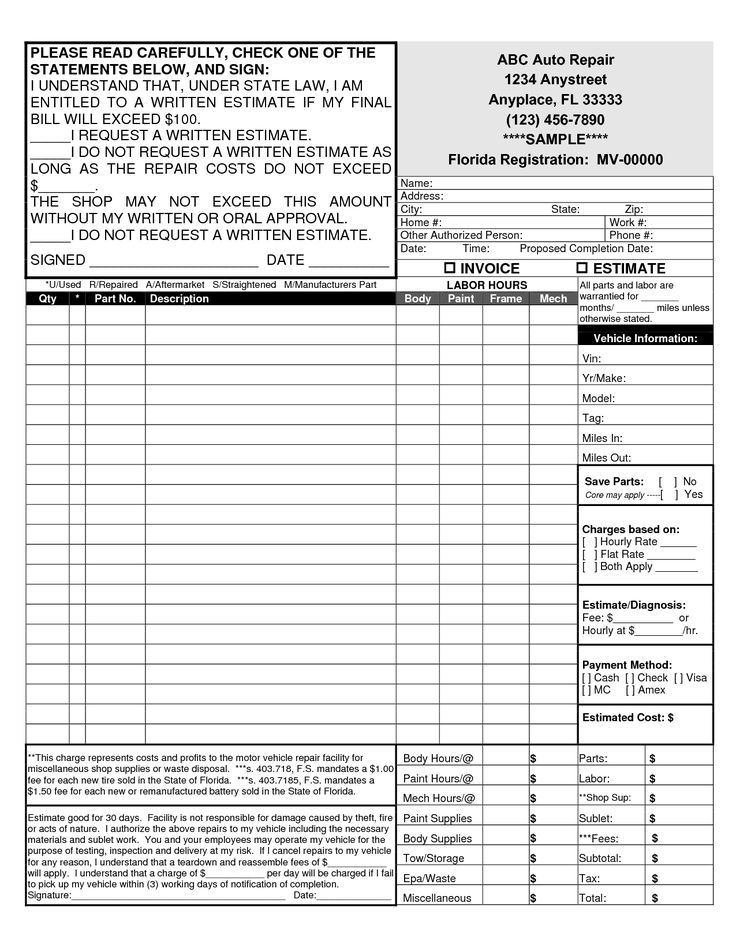

However, it's crucial to remember that the lowest price isn't always the best choice. Instead, focus on finding a balance between cost, quality, and customer service. Consider factors such as the service provider's reputation, warranty coverage, and the overall professionalism of the quote itself. A well-structured, comprehensive, and easy-to-understand repair quote is often a sign of a reliable and trustworthy service provider.
Negotiating Repair Quotes
Once you've received a repair quote, you're not obligated to accept it in its entirety. Many service providers are open to negotiating the repair quote, particularly if you can demonstrate that a competitor is offering a similar service at a lower price. However, it's essential to approach negotiations professionally and consider the possibility of slight adjustments rather than expecting dramatic discounts.
Here are some strategies to help you negotiate a repair quote:
- Ask for a discount: If you're a repeat customer or have other extenuating circumstances, politely ask the service provider if they can offer any discounts on the repair quote.
- Request a package deal: If you have multiple repair requirements or can refer friends and family, consider asking for a bundle deal or referral discount to lower the overall cost.
- Pay in cash or bitcoins: Sometimes, service providers may offer discounts for customers who pay in cash or bitcoins, as these payment methods avoid taxation and credit card processing fees.
- Question specific line items: If you spot any questionable line items or feel that certain charges are too high, politely question the service provider about their justification for those costs.
By approaching negotiations with respect and understanding, you're more likely to secure a reasonable agreement that works for both you and the service provider.
In the dynamic world of repairs and maintenance, having a clear understanding of repair quotes is an invaluable skill. It empowers you to make informed decisions, compare services, and negotiate fair prices. By knowing what to expect and how to navigate repair quotes, you can minimize unpleasant surprises and maximize the value you receive for your money. So, the next time you require a repair service, don't hesitate to request a thorough, detailed repair quote – and don't be afraid to ask questions or negotiate for the best possible outcome. Happy repairing!