Poster presentations are an excellent way to communicate complex information in a visually engaging and accessible format. They are commonly used in academic conferences, exhibitions, and research events to present findings, theories, or projects. However, creating a successful poster presentation involves more than just slapping some text and images onto a board. It requires a well-structured format that effectively communicates your message and captures the audience's attention. Here, we'll explore various poster presentation format examples to help you create an impactful and memorable presentation.
Before delving into the specific examples, let's first consider the key elements of an effective poster presentation format:
Understanding the Key Elements
1. **Title**: The title should be concise, accurate, and immediately convey the main topic of your poster. Use a large, easy-to-read font and place it at the top of your poster, typically in a header area.
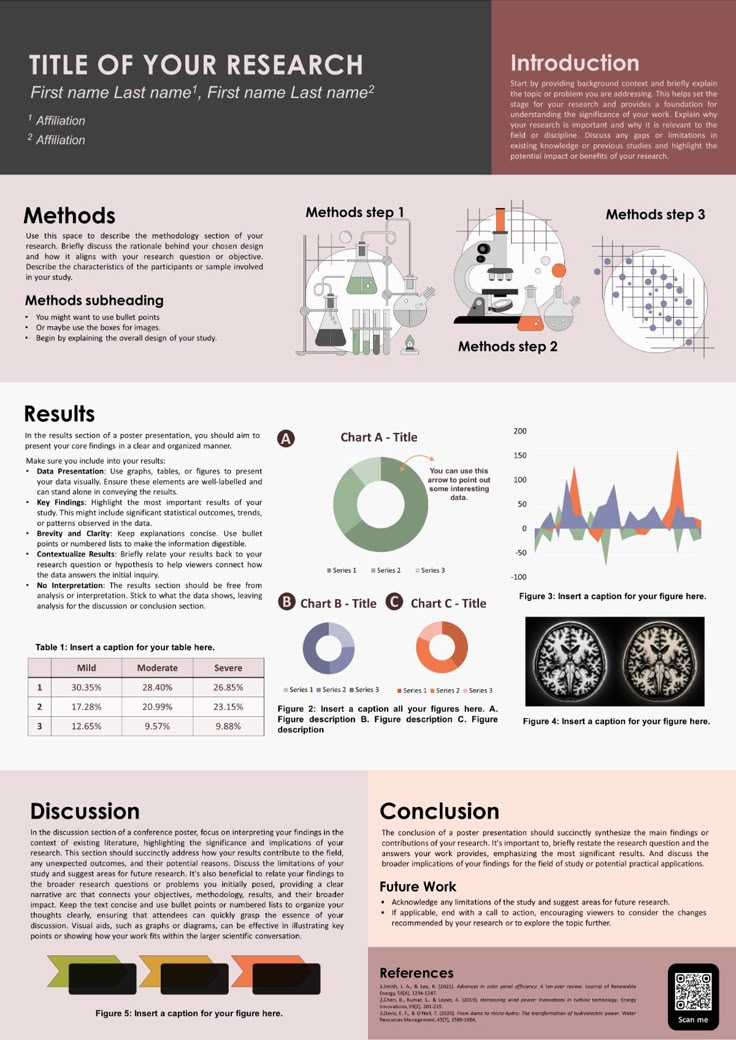


2. **Introduction/Abstract**: Provide a brief overview of your research or project. This helps viewers quickly understand what your poster is about and decide if they're interested in learning more. Place this near the title.
Text Content
3. **Methodology and Findings**: Present the main points of your research or project. Break up long blocks of text with headings, subheadings, bullet points, and captions. Use clear, concise sentences and avoid jargon.


4. **Visuals**: Include relevant graphs, charts, diagrams, or images that support your text content. Visuals should be self-explanatory and easy to understand, even when viewed from a distance.
Poster Presentation Format Examples
Now that we've covered the essential elements, let's look at some popular poster presentation format examples:
Single Column Full-Bleed
This format arranges all elements in a single column, without leaving empty spaces between sections. It's simple, clean, and great for complex topics that require sequential viewing. Keep the text size consistent, and larger visuals should span the entire width of the poster where possible.


Example: ResearchGate
Gantry-Style Layout
The gantry-style layout arranges sections in rows, with equal spacing between them. It's ideal for projects with distinct phases, processes, or comparative analyses. Use consistent spacing and alignment to create a visually pleasing appearance.
Example: Poster Sessions


Overlapping/Hybrid Layout
This format combines the simplicity of the full-bleed layout with the sectioned appearance of the gantry-style layout. It's perfect for complex topics that can be broken down into cohesive sections. Use overlapping elements sparingly to maintain visual balance.
Example: Canva
Remember, the best poster presentation format is one that works for your content and audience. Don't be afraid to tailor an existing format or even create a unique one that best suits your needs.
Design Tips and Best Practices
Regardless of the format you choose, ensure your poster presentation is visually appealing and easily understood. Here are some tips and best practices:
Color and Typography
Use a maximum of three colors to retain visual clarity. Opt for high-contrast combinations and easy-to-read fonts. Choose fonts that are familiar and typically used in formal documents, such as Arial, Times New Roman, or Calibri.
Layout and Organization
Break up your content into clear, manageable sections. Use headings, subheadings, and bullet points to guide viewers through your poster. Make sure to include a logical flow from one section to the next.
Proportions and Placement
Text and visuals should be appropriately sized and placed. Text should be easily readable from a distance, while visuals should be large enough to be appreciated at a glance. Leave sufficient blank space around elements to prevent clutter.
As a final thought, always consider your audience when designing your poster. What catches their attention? What information would they find most useful or engaging? By keeping these questions in mind, you'll create a poster presentation that effectively communicates your message and captivates your viewers.