Natural disasters, forces of nature that cause significant loss of life, property damage, and environmental destruction, have long captivated human curiosity and testing our resilience. Understanding and preparing for these events is crucial. Let's explore some of the most common natural disasters around the world.
While there are numerous types of natural disasters, they can broadly be categorized into two: geophysical and hydrometeorological. Each type presents unique challenges and impacts. Let's delve into the first category, geophysical disasters.
Geophysical Natural Disasters
Geophysical disasters are caused by the energy stored within the Earth's rocks, which is released suddenly, often resulting in harmful tremors or movements. They include earthquakes, volcanic eruptions, and landslides.


Earthquakes and volcanic eruptions are among the most powerful and destructive geophysical disasters. They occur due to the release of built-up energy caused by the shifting of tectonic plates.
Earthquakes
Earthquakes, one of the most dreaded natural disasters, occur when there's a sudden release of energy accumulated along a fault line. The shaking caused by this energy release can cause buildings to collapse, roads to crumble, and lives to be lost.

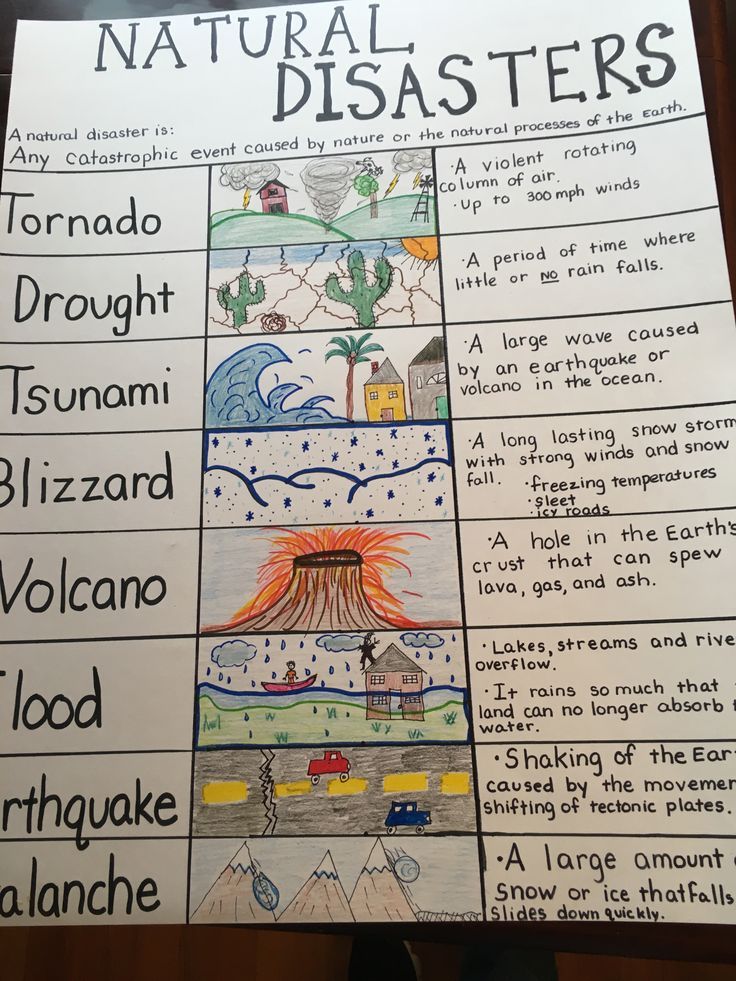

One of the most devastating earthquakes in history was the 2010 Haiti earthquake, which had a magnitude of 7.0 and resulted in widespread damage and loss of life. Early detection systems and earthquake-resistant infrastructure can help mitigate their impact.
Volcanic Eruptions
Volcanic eruptions occur when magma, ash, and gases are forced out of cracks and vents in the Earth's crust. These eruptions, like the explosive eruption of Mount Vesuvius in 79 AD that destroyed the Roman cities of Pompeii and Herculaneum, can cause widespread devastation.
Volcanic eruptions can have severe impacts on the environment, leading to loss of habitats, disruption of food chains, and climate change due to the release of sulfur dioxide and other respiratory irritants into the atmosphere.


Hydrometeorological Natural Disasters
The second category, hydrometeorological disasters, is associated with extreme weather conditions, including hurricanes, floods, and extreme temperatures. These events are becoming more frequent and fierce due to climate change.
Hurricanes, also known as typhoons or cyclones in different regions, are among the deadliest hydrometeorological disasters. They form over warm ocean waters and bring strong winds, heavy rainfall, and storm surges.
Hurricanes
Hurricane Katrina in 2005, which devastated New Orleans and the surrounding areas, is a stark reminder of the destruction these storms can cause. With maximum sustained winds exceeding 157 miles per hour, they can ravage coastal communities and cause widespread flooding.


Given their predictability, early warning systems and evacuation plans play a crucial role in mitigating their impact. Yet, with climate change causing sea levels to rise and ocean temperatures to increase, these storms may become more frequent and intense in the coming decades.
Floods
Floods, one of the most common natural disasters, can occur due to heavy rainfall, snowmelt, or the breaching of dams. They can devastate communities, destroying homes, infrastructure, and livelihoods.
The 2011 Thailand floods, one of the worst floods in modern history, highlighted the economic and social impact of these events. Effective drainage systems, early warning systems, and preparedness plans are key to reducing their impact.
In conclusion, understanding the nature and impact of these disasters is the first step towards preparedness and resilience. It's crucial for us to learn from past events, strengthen our response mechanisms, and invest in sustainable practices to mitigate their impact. As we continue to explore and develop our world, we must do so with an eye on minimizing the risks posed by natural disasters.