Benin, a West African nation known for its vibrant culture and historic cities like Ouidah and Abomey, holds a unique profile in the global health landscape. Central to this is its life expectancy, a crucial indicator of the well-being of its people. Let's delve into the intricacies of life expectancy in Benin, exploring its determinants, changes over time, and comparisons with other nations.
Life expectancy at birth in Benin currently stands at approximately 62 years, according to the World Bank data. This figure, although low compared to many developed countries, has shown promising improvements over the past few decades, reflecting the nation's strides in healthcare, economic development, and social progress.
Factors Influencing Life Expectancy in Benin
Life expectancy is a multifaceted metric, influenced by a myriad of factors unique to each country. In Benin, several key aspects play a significant role.


Healthcare access and quality are paramount. Benin's healthcare system faces challenges, including limited resources and geographical access barriers for remote populations. However, ongoing initiatives aim to improve healthcare infrastructure and provider training.
Health Indicators and Their Impact
Infant mortality rate and maternal mortality rate are critical health indicators that significantly influence life expectancy. In Benin, these rates remain high, at 49 deaths per 1,000 live births and 392 maternal deaths per 100,000 live births respectively, according to UNICEF and WHO data. Addressing these issues is a key focus of health policy.


Improvement in child nutrition and overall health can substantially enhance life expectancy. In Benin, around 27% of children under 5 are stunted, and 10% are wasted, as per the UNICEF data. Efforts to alleviate poverty and improve access to nutritious food can help reduce these figures and contribute to increased life expectancy.
Economic Factors and Their Role
Economic growth and poverty reduction are intertwined with life expectancy. Benin, while having made significant economic strides, still grapples with high poverty rates. Around 40% of its population lives below the national poverty line, per the World Bank. Enhancing economic opportunities and reducing inequality can thus boost life expectancy.
Education, closely linked to economic empowerment, also plays a pivotal role. In Benin, the literacy rate stands at about 38.4%, presenting an opportunity for investment in education to drive progress.


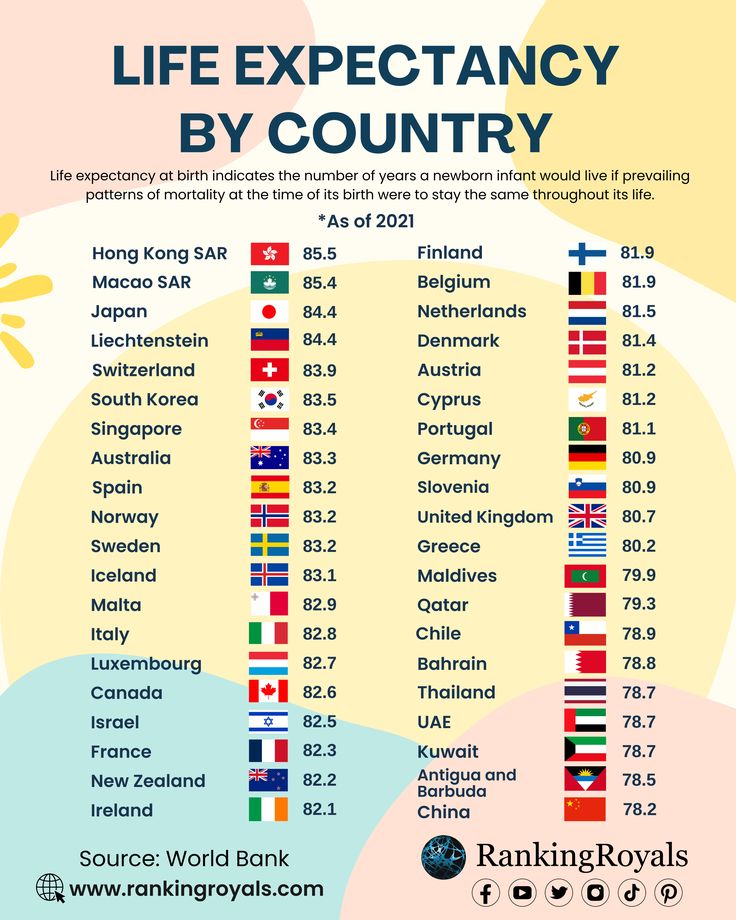
Life Expectancy Trends and Comparisons
Benin's life expectancy has witnessed a steady increase over the past few decades. In 1990, it was around 49 years, indicating substantial progress. Comparatively, Benin's life expectancy is lower than some of its peers in the region, such as Ghana (69 years) and Senegal (70 years), but similar to Nigeria (60 years).
Understanding these trends and comparisons can help Kenya learn from its peers and accelerate its own progress in enhancing life expectancy.
Lessons from Successful Nation's Strategies
Reviewing policies and interventions in countries that have effectively improved life expectancy can offer valuable insights. For instance, Ghana's free healthcare initiative for pregnant women,children under five, and the elderly has significantly reduced maternal and child mortality rates. Benin could draw inspiration from such schemes.


Additionally, enhancing primary healthcare services, investing in preventative care, and bolstering health education can help Benin replicate the successful strategies employed by its neighbors.
Benin's life expectancy journey underscores the pressing need for investment in healthcare, education, and economic development. As the nation continues to strive towards better health outcomes, it holds promise for a brighter, healthier future. This progress, while gradual, reflects a determination that is testament to Benin's resilience and commitment to improving the lives of its people.