Preparing a rental property for new tenants after a turnover or prior to a point-of-lease inspection is a critical task for property managers. A comprehensive final inspection checklist ensures that the property is in excellent condition, meets all safety standards, and guarantees a seamless transition for new tenants. Here's an in-depth look at creating an effective final inspection checklist for your rental property.
An organized approach to final inspections not only speeds up the process but also helps to identify and address potential issues before they become major problems. Ensure you cover all essential aspects, so you can confidently hand over the keys to new tenants.
Exterior Maintenance and Curb Appeal
The first impression is crucial for setting the tone for the entire tenant experience. Inspect the property's exterior for any signs of damage, wear, or maintenance issues.


Start from the curb and work your way around the property, assessing the following areas:
Landscaping and Grounds
Instruct your landscaping team to trim trees, mow the lawn, and remove any weeds around the property's perimeter. Ensure there are no visible signs of pests or pest control efforts and that all outdoor spaces are clean and well-maintained.

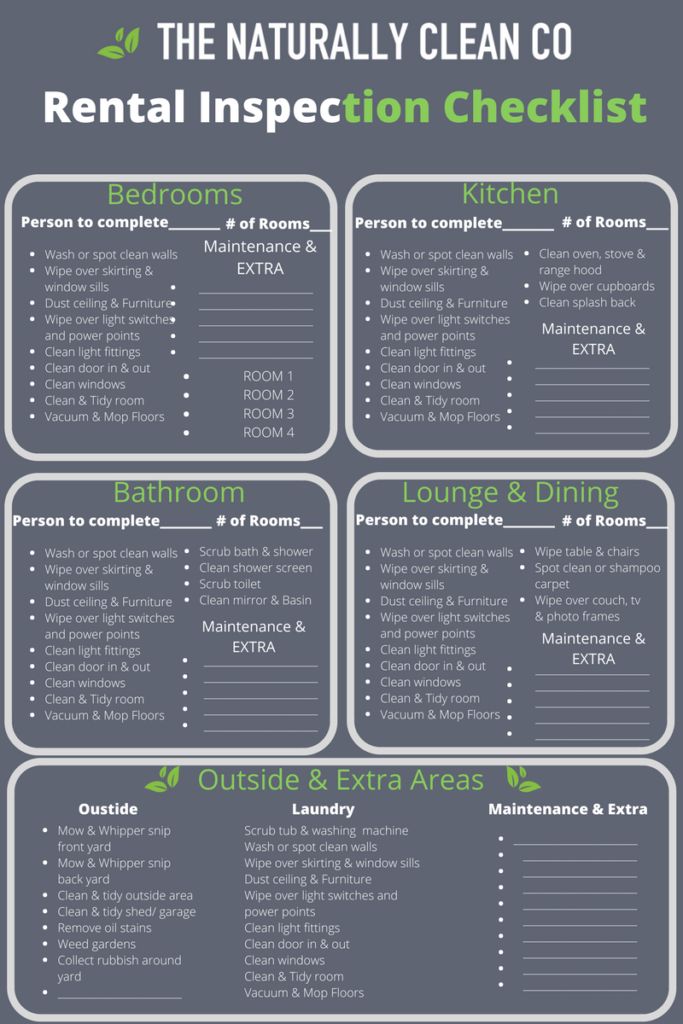

Lawns should be neat and trimmed, while gardens and flowerbeds should be tended to. Remove any outdoor debris or trash that could pose a safety hazard or adversely impact the property's curb appeal.
Exterior Structural Components
Inspect the roof, siding, and foundation for signs of damage or wear. Look for loose or missing shingles, cracks in the facade, or crumbling stucco. Check that windows and doors are properly sealed and in good working order.
Assess the condition of the property's exterior paint or stucco, and address any necessary touch-ups. Ensure all exterior lights are functioning and secure, and replace any burned-out bulbs.


Interior Cleanliness and Cosmetic Repairs
A spotless interior is a must for every rental turnover. Hire professional cleaners to thoroughly clean the property from top to bottom, paying close attention to hard-to-reach and often-overlooked areas.
Before new tenants move in, make sure to address the following interior cosmetic repair tasks:
Paint and Wall Repairs
Touch up or repaint walls to remove fingerprints, marks, and scuffs left by previous tenants. Replace any damaged or missing switch and outlet covers. Ensure all nail holes and other minor wall damage are repaired and primed for a fresh coat of paint.


Flooring and Carpet Cleaning
Coordinate with cleaning services to deep clean all carpeted areas and vacuum or mop hard floors. If necessary, hire professionals to shampoo carpets or maketraditional clean hard surfaces.
Replace or repair damaged flooring materials, and address any visible stains or odors. For properties with wood or laminate flooring, ensure they are well-maintained and free of scratches or other damage.
Appliance and Utility Checks
Properly functioning appliances and utilities are essential for a smooth tenant move-in experience. Conduct a thorough check of all in-unit appliances and utilities before handing over the keys to new tenants.
Safety inspections should include ensuring that smoke and carbon monoxide detectors are functioning, and fire extinguishers are properly mounted and well-maintained.
Kitchen Appliances and Utilities
Test all kitchen appliances, such as the stove, microwave, and dishwasher, to ensure they are in working order. Replace any burned-out light bulbs and ensure all ventilation systems are clean and unobstructed.
Check that sinks, faucets, and drains are clear and functioning properly. Inspect the garbage disposal, and empty and clean drain traps to prevent any blockages or odors. Verify that the refrigerator is in good working order and free of dirt and grime.
Bathroom Appliances and Utilities
Test all bathroom fixtures, including sinks, faucets, showers, and toilets, to ensure they are functioning correctly. Check for any signs of leaks or rust around pipes and fixtures, and address any issues promptly.
Clean bathtubs, showers, and tile surfaces to remove soap scum and hard water stains. Replace any burned-out light bulbs, and ensure exhaust fans are clean and unobstructed. Inspect grout and caulk for signs of cracking or peeling, and repair as necessary.
Safety and Maintenance Final Touches
Addressing safety and maintenance concerns is crucial for a successful tenant turnover. Ensure that all final inspection tasks are completed before welcoming new tenants to the property.
Pest Control
Conduct a thorough inspection of the property for signs of pests or rodents. Hire a professional exterminator to address any infestations or preventative measures, such as bait traps and perimeter treatments.
Seal any visible entry points, and ensure that all windows and doors close tightly and have functional screens. Inspect basement and attic spaces for signs of moisture, mold, or water damage, and address any underlying issues promptly.
Last-Minute Preparation
Before new tenants arrive, make sure to install all necessary items, such as shatterproof mirrors, grab bars, or safety latches. Ensure that all smoke and carbon monoxide detectors are properly installed and functioning according to local safety guidelines.
Clean or replace air filters in HVAC systems to ensure optimal air quality, and double-check that all thermostats are properly calibrated. Lastly, make sure to provide new tenants with a comprehensive welcome packet, including move-in details, emergency contacts, and important property information.
As a property manager, a well-executed final inspection checklist guarantees a seamless tenant turnover, maintains the property's value, and solidifies long-term tenant satisfaction. By staying organized and thorough, you'll create a smooth transition for new tenants and protect your investment in the rental property.