The Edwardian era, spanning from 1901 to 1910, was a time of opulence and grandeur, почётным образом reflected in its interior design. This period, named after King Edward VII, saw a blend of various influences, from the Arts and Crafts movement to the Belle Époque, leading to a unique and luxurious style that still captivates today.
Edwardian interiors were characterized by a richness and lavishness that echoed the prosperity and confidence of the era. Grand homes were filled with ornate furnishings, elaborate decorations, and an abundance of luxurious materials. Let's delve into the fascinating world of Edwardian-era interior design, exploring its key features, iconic pieces, and enduring impact.
Edwardian Influences and Inspiration
Edwardian design was deeply influenced by the Arts and Crafts movement, which emphasized traditional craftsmanship and simple, elegant forms. This resulted in a harmonious blend of rich materials and intricate details, creating a sophisticated and refined aesthetic.


Moreover, the Edwardian era was also marked by a renewed interest in historic styles, particularly the 18th century. This led to the incorporation of classical motifs and symmetry in interior design, further enhancing its grandeur and elegance.
Arts and Crafts Influence
The Arts and Crafts movement left an indelible mark on Edwardian design. Its emphasis on skilled craftsmanship and the use of natural materials was evident in the Edwardian era's fondness for wooden furniture, leather upholstery, and intricately designed metalwork.

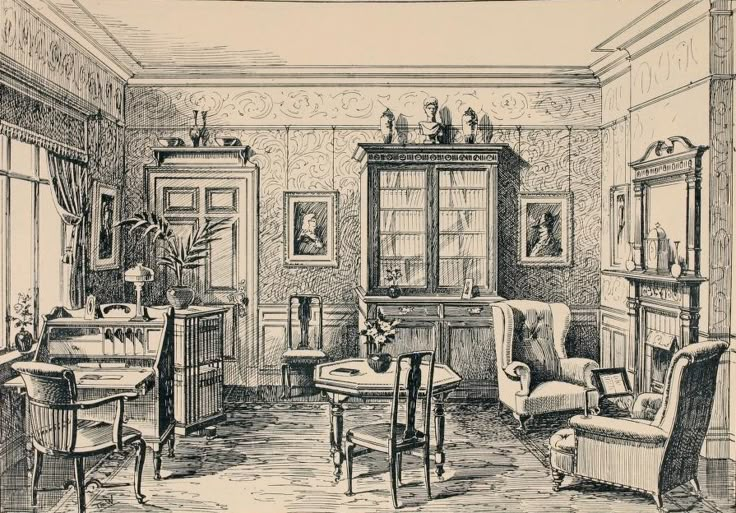

Arts and Crafts principles were also reflected in the use of textiles, with hand-blocked fabrics, tapestries, and even crewelwork becoming popular. The movement's influence extended to the layout of homes, promoting the idea of open-plan living and the integration of indoor and outdoor spaces.
Influence of 18th-Century Classicism
The Edwardian era saw a revival of 18th-century styles, with a particular affinity for the symmetrical, elegant lines of the Georgian period. This was evident in the architecture of Edwardian homes, with their grand proportions and formal layouts, as well as in their interior design.
In terms of furniture, this influence translated to a preference for well-proportioned, luxurious pieces, often upholstered in rich silks and velvets. Ornate carvings, gilded trimmings, and elaborate inlays were also characteristic of this influence, encapsulating the epoch's love for opulence.


The Edwardian Home
The Edwardian home was a grand affair, with extensive grounds and a formal layout that emphasized ceremony and status. Both urban and rural homes were designed to impress, with large reception rooms, lavish dining areas, and opulent bedrooms.
This sense of grandeur was amplified by high ceilings, large windows, and intricate decorative moldings. The use of maximalist design principles meant that every surface and wall was decorated, from the walls festooned with paintings and mirrors to the floors covered with rich carpets.
Reception Rooms
Edwardian reception rooms were designed to showcase wealth and status, with lavish furnishing, exquisite fabrics, and elaborate decorative schemes. Opulence was key, with richly upholstered sofas, velvet armchairs, and gilded side tables. Drapery was heavy and rich, often draped to excess for a theatre-like effect.


The fireplace was the focal point of every reception room, often adorned with elaborate mantels and surrounded by comfortable seating. Here, guests would gather to socialize, enjoy refreshments, or simply admire the room's grandeur.
The Dining Room
The dining room was another key space in the Edwardian home, designed to host large-scale dinner parties and showcase the homeowner's lavish lifestyle. Tables were long and expansive, often teamed with ornate sideboards, corner cupboards, and breakfronts to display prized possessions.
Chairs were upholstered in rich materials, and the room was often dominated by an impressive chandelier or pendant light. The walls were often adorned with portraits, landscapes, or even rococo-style panels, reflecting the era's love for the pomp and circumstance of the 18th century.
The Edwardian era's interior design was a resplendent celebration of luxury and grandeur, a testament to the opulent lifestyles of the time. From its Arts and Crafts and classical influences to its grand reception rooms and lavish dining spaces, Edwardian design continues to inspire and influence contemporary interiors. By understanding and appreciating this rich historical context, we can better appreciate the enduring appeal of these designs and their relevance in the 21st century. As we look to the future, we take with us the lessons and beauty of the Edwardian era, forever shaping our understanding of luxury and elegance in the home.