Comparing ideas effectively in speeches is an art that separates exceptional orators from average ones. It's about more than just listing points; it's about creating a persuasive narrative that engages, illuminates, and resonates with your audience. So, how can you master this art? Let's delve into two key aspects: structuring your comparison and delivering it with impact.
First, understand that comparing ideas in a speech is not merely about highlighting differences or similarities. It's about presenting a logical, easily digestible, and engaging argument. This argument should lead your audience towards a specific conclusion or perspective.
Structuring Your Comparison
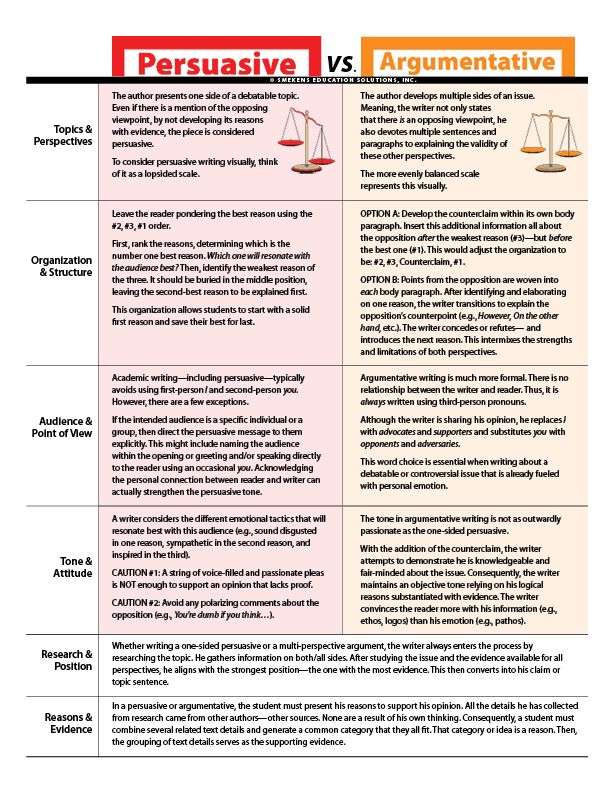
The most effective way to structure a comparison is by using a framework that audiences can follow easily. A tried-and-tested method is the problem-solution format. Present a problem, compare the ideas (solutions), and then champion the best one.


Another robust method is the list'approach, where you compare ideas point by point. This works well when you're discussing multiple aspects of the ideas or when you're comparing more than two ideas.
Identifying Key Comparison Points
To start, identify the core elements of the ideas you want to compare. These could be benefits, drawbacks, methods, history, or any other factors relevant to your discussion.


Once you've identified these points, ensure they're clear and specific. Vague comparisons won't persuade your audience. For example, instead of saying "Idea A is better for the environment," say "Idea A reduces carbon emissions by 20% over two years."
Presenting Your Comparison
Make your comparison visually clear. Use tables, graphs, or simple lists to layout the points side-by-side. This not only makes your speech easier to follow but also reinforces your points visually.
In each comparison, clearly state the advantage of one idea over the other. This doesn't mean you should denigrate the other idea, but rather emphasize why the first is superior for the specific criteria you're discussing.


Delivering Your Comparison with Impact
A well-structured comparison is just the start. It's how you deliver it that wins over the audience. Let's explore two key delivery strategies: analogies and storytelling.
Analogies make complex ideas relatable by connecting them to something familiar. For instance, if you're comparing political ideologies, you might use sports teams to represent them and discuss their strategies, strengths, and weaknesses.
Using Analogies
To craft a compelling analogy, find a shared characteristic between your ideas and a familiar concept. This commonality should be clear and intuitive to your audience.




For example, if comparing two products, you might use different types of cars (say, a sedan and an SUV) to represent them, highlighting their different speeds, uses, and terrains they excel on.
Storytelling
Storytelling concentrates not just on what happens, but why it happens, and who it affects. When comparing ideas, stories can illustrate real-world consequences of choosing one over the other, making your comparison personal and emotional.
Maybe tell the story of a person who benefited greatly from one idea, contrast it with another who struggled due to another idea's drawbacks. Stories add texture and depth, making your comparisons stick in memory.
Remember, comparing ideas is an opportunity to enlighten, engage, and persuade your audience. So, the next time you find yourself needing to compare ideas, approach it with a plan, and deliver it with passion. Good luck!