In the dynamic world of real estate, it's not uncommon for offers to be cancelled, despite initial excitement and agreement. This could be due to various reasons, ranging from financial constraints to changes in personal circumstances. If you've found yourself in this situation where you need to cancel a real estate offer, you're not alone, and understanding the process is crucial.
Canceling a real estate offer isn't as simple as changing your mind. It involves navigating legalities and maintaining professionalism throughout the process. This guide will walk you through the steps involved in canceling a real estate offer, ensuring you're well-informed and prepared for any eventualities.
Understanding Your Contract
Before proceeding with cancelling your offer, it's crucial to understand the terms and conditions outlined in your contract. Real estate contracts often include contingencies that allow you to back out under specific circumstances. Review your contract thoroughly to ensure you're within your rights to cancel without potential penalties.


If you're unsure about any clauses, consult with a real estate attorney. They can provide tailored advice based on your local real estate laws and the specific terms of your contract.
Valid Reasons for Canceling an Offer
Not all reasons for cancelling an offer are valid. Valid reasons typically fall under the following categories:


- Financing issues: You're unable to secure the necessary financing or your loan falls through.
- Inspection revelations: The property inspection uncovers significant issues that weren't previously known or disclosed.
- Change in personal circumstances: You've experienced a life-changing event, such as job loss, health issues, or divorce, that makes it impossible to proceed with the purchase.
Invalid Reasons for Canceling an Offer
As a general rule, buyer's remorse or simply changing your mind is not a valid reason for cancelling an offer. Here are a few examples of invalid reasons:
- You found a better property or want to renegotiate the price.
- You're having second thoughts about buying a home or moving to the area.
- Market conditions have changed, and you're concerned about future resale value.
Steps to Canceling Your Offer
Once you've determined that you have a valid reason for cancelling your offer and have understood your contract's terms, follow these steps:
Notify the Seller and Their Agent
Make sure to inform the seller and their real estate agent in writing. This formalizes the cancellation and provides a paper trail in case of future disputes. Express your regret and gratitude for their understanding.
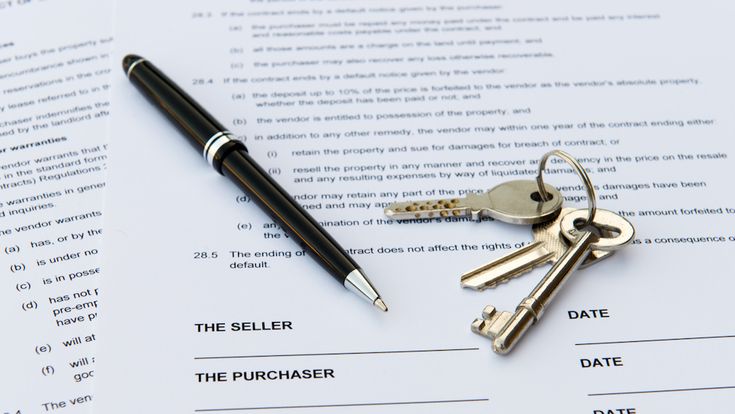


Here's an example of what your communication might look like:
Dear [Seller's Name],
I am writing to inform you that I am unable to proceed with the purchase of [Property Address]. After careful consideration and [reason for cancellation], I have decided to cancel my offer.
I regret any inconvenience this may cause and appreciate your understanding in this matter. Please let me know if there are any specific steps I need to take to finalize the cancellation.
Sincerely,
[Your Name]
Check for Penalties and Next Steps
Review your contract to see if there are any penalties for canceling your offer. If there are, make sure to handle them according to the terms outlined in the contract. Additionally, ask the seller or their agent about any next steps, such as returning your earnest money or signing additional documents.
It's crucial to note that cancelling a real estate offer can have legal and financial implications. Always consult with a real estate attorney to ensure you're acting within your legal rights and protecting your financial interests. Moreover, maintaining open communication with the seller and their agent throughout the process can help avoid misunderstandings and potential conflicts.


In the dynamic world of real estate, cancelled offers are a reality, but they need not be a source of stress or uncertainty. By understanding your contract, valid reasons for cancellations, and following the necessary steps, you can navigate this process with confidence. Looking ahead, consider what you've learned from this experience and how it might inform future real estate decisions – perhaps even making the next one your dream home.